

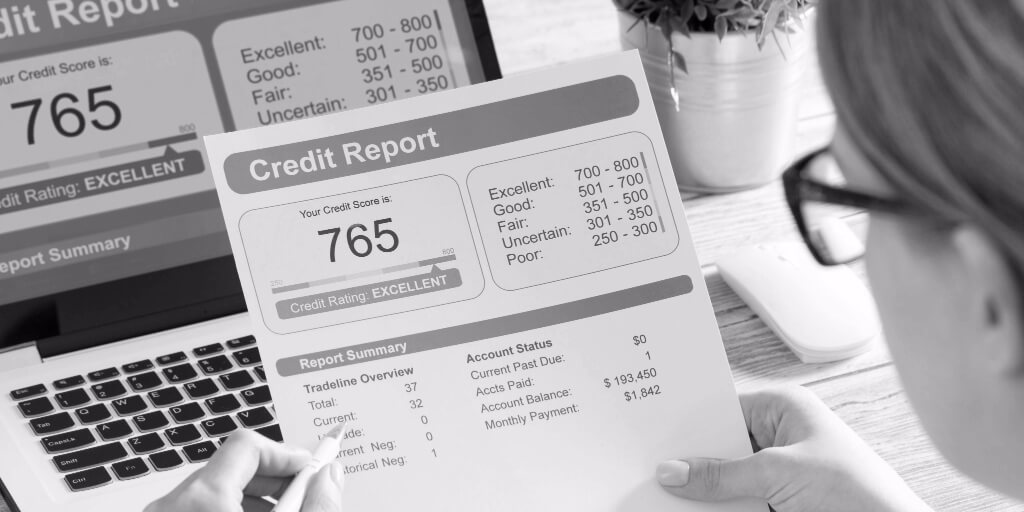
A strong credit score can be your ticket to lower interest rates, better financial products, and more control over your future. Whether you're buying a car, applying for a mortgage, or qualifying for a top-tier rewards credit card, your credit score can make or break your plans.
Knowing how credit scores and reports work is key to building a strong financial future.
Let's explore what makes up your credit score, how credit reports work, and practical steps you can take to improve both.
What Is a Credit Score?
Your credit score is a three-digit number that summarizes your creditworthiness. The most commonly used model is the FICO® Score, though VantageScore® is also widely recognized.
Here's how your FICO score is calculated:
-
Payment history (35%): Consistently paying your bills on time.
-
Credit utilization (30%): The amount of credit you use compared to your limits.
-
Length of credit history (15%): How long you've had credit accounts.
-
Credit mix (10%): A healthy mix of credit types like cards, auto loans, and mortgages.
-
New credit (10%): How often you apply for new lines of credit.
Scores range from 300 to 850. The higher your score, the more likely you are to qualify for credit with favorable terms.
What Is a Credit Report?
Your credit report is a detailed history of your credit accounts, balances, and payment behavior. It includes:
-
Personal information (name, address, etc.)
-
Account details (open and closed accounts, limits, balances)
-
Credit inquiries
-
Public records like bankruptcies
Three major credit reporting bureaus —Equifax, Experian, and TransUnion—issue credit reports. Since each bureau may have different data, it's smart to check all three reports for accuracy.
Why Good Credit Matters
Lenders, landlords, employers, and insurers may use your credit history to assess your reliability. A strong credit score can help you:
-
Secure loans and credit cards at lower interest rates
-
Increase your borrowing limits
-
Qualify for premium financial products and rewards programs
Poor credit, on the other hand, can lead to loan denials or higher costs over time.
How to Improve Your Credit Score and Report
Here are simple steps to build or repair your credit:
-
Pay on time: Set reminders or automate bill payments to avoid missed due dates.
-
Reduce credit utilization: Try to keep your usage below 30% of your available credit.
-
Explore credit-builder loans: These are designed to help you establish or rebuild credit.
-
Use a secured credit card: With a refundable deposit, you can build credit by using the card responsibly.
Check Your Credit Report Regularly
Federal law entitles you to one free credit report annually from each of the three major bureaus. Visit annualcreditreport.com to access yours.
Take advantage of our free credit monitoring tool—available to all of our customers. With real-time alerts, score tracking, and personalized insights, it's a powerful resource for staying on top of your credit.
Knowing the Score
Mastering your credit is a key step toward financial empowerment. By understanding how credit works and consistently improving your habits, you can create a stronger financial foundation.
Need help? Contact us for personalized guidance on improving your credit and achieving your goals.
