

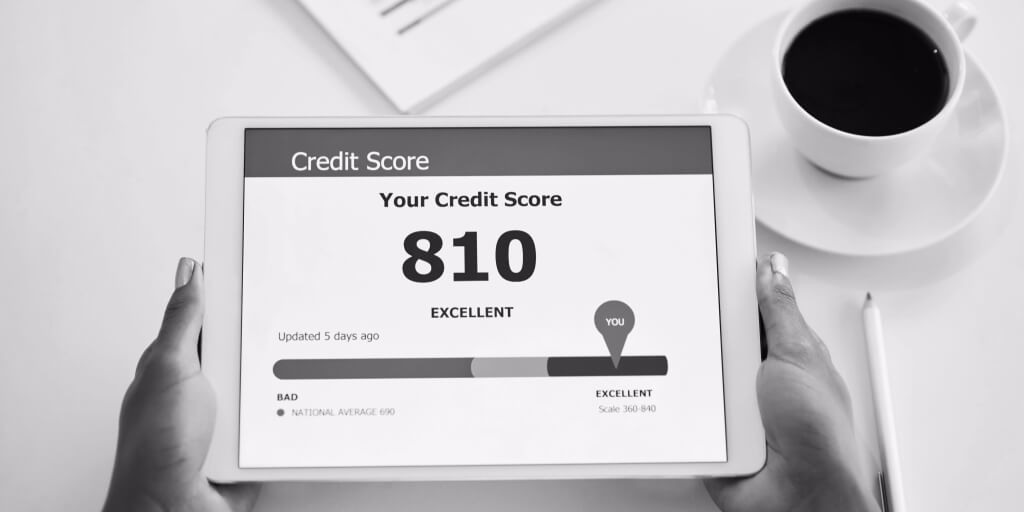
Ever wondered what goes into calculating your credit score? It's a common question, and while the exact formula used by Fair Isaac Corporation, the company behind credit scores, is a closely guarded secret, we do have a pretty good idea of the key factors involved. Understanding these can help you improve your score and achieve your financial goals. Let's break them down:
-
Your Payment History (35%):
Your payment track record is the single most significant part of your credit score, accounting for roughly 35%. This includes all your payments on credit cards, car loans, student loans, mortgages, and other types of loans. Remember:
-
- Always pay on time. Late payments negatively impact your score significantly.
- The bigger the loan, the more a late payment will hurt your score.
-
Debt Utilization (30%): This is all about how much credit you're using. For instance, if you have a credit card with a $10,000 limit and you owe $2,000, you're using 20% of your available credit. Tips to consider:
- Aim to use less than 30% of your available credit.
- This factor makes up about 30% of your credit score.
-
Length of Credit History (15%): This part takes into account how long your accounts have been open and their recent activity. Ideally, having accounts that have been open for many years and are still active can positively influence your score.
-
New Credit (10%): Opening or applying for several new credit lines in a short time can be a red flag. It suggests you might be in financial trouble, affecting 10% of your score. So, be cautious with how often you apply for new credit.
-
Credit Mix (10%): Variety is the spice of life, and this is also true for your credit mix. Having different types of credit (like installment loans and revolving credit) can be beneficial. This diversity contributes to 10% of your score.
In a nutshell, knowing these components makes it easier to improve your credit score. With careful management, like making timely payments and keeping your credit utilization low, you can see a significant improvement in just a few months. It's all about staying on top of your finances and understanding how the system works. Happy credit building!
