

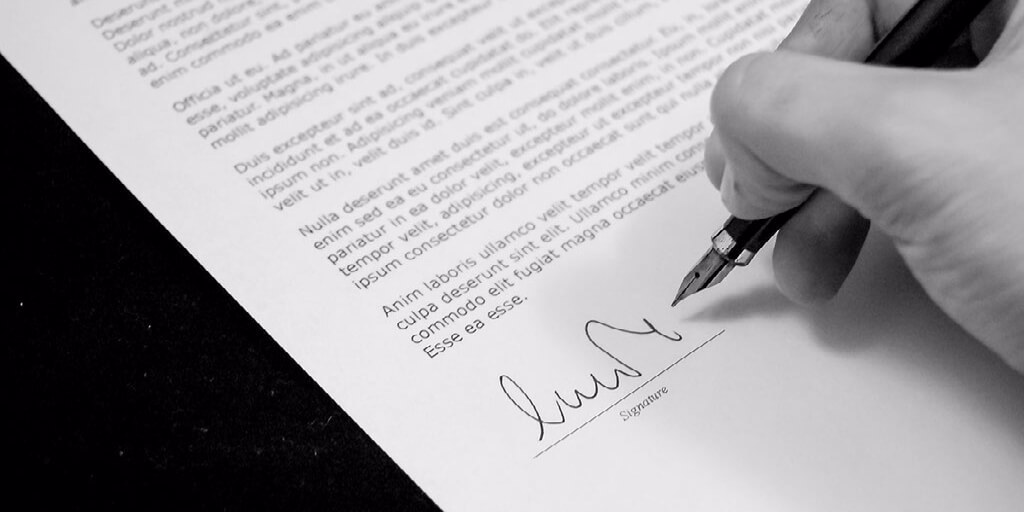
Since the 1800s, sales letters remain an integral marketing tool. While technology has expanded every sales market, and taken products and services global, it has not conceived a replacement for the sales letter. Technological advances in communication and product distribution have added value to the centuries old sales letter, and it is in use even more than before.
The form of the sales letter has not undergone many changes. Although many additional items can be added to the basic sales letter, such as bold headlines, graphic charts, photographs, starbursts, reply forms, and text boxes, the wise copywriter will use no more than two of these options. It is important for the sales letter to maintain the feel and look of a personal communication in order to be effective. The letter must not deviate from the one-on-one tone of a personal letter.
Construction of the Letter
The first step in building an effective sales letter is to define the person you are contacting. For an example, let's assume the person is a middle-aged male recreational golfer. In your mind, picture such a man and imagine having a conversation about the golfing products your company sells. As you write to this potential customer, consider the following suggestions.
- Write your letter to a single person and not a group of people. This will help you keep the tone of the letter personal.
- Insert the word "you" into conversational portions of the letter.
- Include the primary selling point of the letter in the first two paragraphs, and reinforce it at least once more during the letter.
- If you are listing benefits of a product or service, use a bulleted list to stress their importance.
- Write in everyday conversational English. Don't use "techy" terms unless the recipient is in a technology field and will understand the terminology.
- Paragraphs must be short. Single sentences are acceptable, as is the occasional single word paragraph. On the average, two or three sentences are sufficient for an average paragraph.
- Keeping the reader in a positive frame of mind is important. Don't include a question that provides the reader an opportunity to say no.
- The purpose of a sales letter is not to change a person's mind about some other product. The sole purpose is to present a positive image of your product.
- Keep the letter copy simple, easy to read, and tight. Don't insert a lot of fluff and cause the letter to ramble. Lack of precision can cause a reader to lose interest.
- One product must be the focus of the letter. Don't introduce other choices, products, or accessory kits. To sell the single product to the single letter recipient is your goal.
Always close a sales letter with an urgent call to action. In the close, mention discounts, free gifts, and their valid time frame. After completing the letter, another effective tool is the postscript (P.S.). Use it at the end of your sales letter to remind the reader of any free gift, the company reputation, and the product guarantee.
Writing your sales letter to a specific individual not only provides an easy approach for you, but it creates a personal and powerful presentation for the recipient. Using the methods listed above will bring new life to your sales letters and boost your overall sales.
