

Whether you're buying or selling a home, you're going to be an interested party if there's a home inspection. Homebuyers get some protection from an inspection, which should alert them to any major problems with the house. Home sellers, meanwhile, might be nervous about what might be discovered and potentially cost them financially.
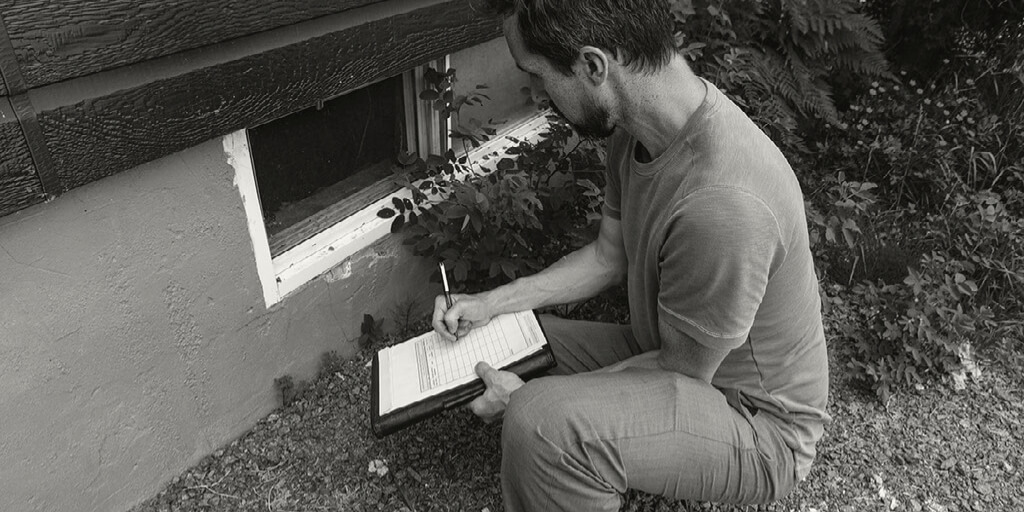
There are over 1,500 points on a professional home inspector's checklist, and an inspection can last hours. They don't, however, cover everything. Here's what a home inspector looks for.
Structural, not cosmetic, issues
A home inspector doesn't care if your walls need a fresh coat of paint or if your flooring is worn or outdated. Instead, they are looking to make sure the walls are straight and not cracked. They want to make sure floors and ceilings are square and level. Problems with walls, ceilings, and floors could be signs of a faulty foundation.
An inspector might note in their report that paint or drywall might be chipping or gouged, but they are looking for structural issues, not cosmetic ones.
Basements
If the home has a basement, the home inspector will thoroughly investigate it. They will be looking for problems with the foundation - cracks or evidence of shifting in the walls and floor. They will also look for moisture, a sign of water encroachment that can be an expensive problem to fix.
Plumbing
A home inspector checks pipes for signs of corrosion or leaks, makes sure all fixtures, toilets and the hot water tank are in good condition, and assesses water pressure. They will also check for proper drainage and look for signs of water damage that might have been caused by faulty plumbing.
Electrical system
Problems with the electrical system can be costly and unsafe. An inspector will check all visible wiring to make sure it's safe, and go room to room to make sure all switches are working properly and that there are enough outlets in each room. They will also examine the electrical panel and circuit breakers.
HVAC
A home that's being sold will have its heating, ventilation, and air conditioning system tested to ensure everything works properly. Any exhaust fans and fireplaces are inspected to make sure they are properly vented. The inspector might also note the condition or age of HVAC components.
Roof
A home inspection will include a thorough examination of the shingles, flashing, and fascia of the home's roof. An interior inspection of the home's attic ceiling will also be conducted to determine if there's evidence of leaks.
Doors and windows
A home inspector will look for broken glass in any windows or doors and will check whether they are all functioning properly. They also look for any signs of rotting or decay around window and door frames, problems that lead to leaks and energy inefficiency.
Exterior
An inspector will look for cracked or loose siding, damage to stucco or stone surfaces on the home's exterior, and any signs of problems with the masonry near the foundation. Badly peeling or blistering paint will also be noted.
Grounds
The outside portion of an inspection doesn't just cover the home's exterior. Any inspector will also check the grounds - sidewalks and pathways, retaining walls, patios and decks, and even plants and trees themselves. They will also look for any puddles or standing water that could be evidence of improper grading. A detached garage will also be inspected, although outbuildings such as sheds or barns usually aren't. Swimming pools are also excluded.
Pest damage
A general home inspector will search for signs of pest damage, but depending on where the home is located, a separate pest inspection might be required.
The bottom line
A home inspector is concerned mainly about the structural integrity and safety of the home, and the inspection checklist reflects that. Cosmetic issues are usually not addressed, and external features such as a pool, well, or septic tank are typically not covered by a general home inspection.
