

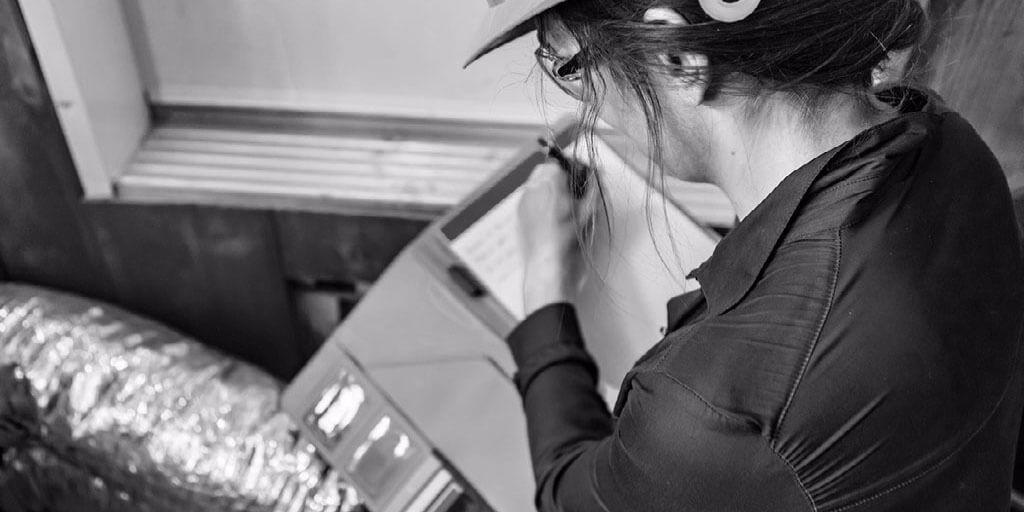
If you want to improve your home's energy efficiency or save money on home heating and cooling, an energy assessment is a great first step. Many consumers are able to get free energy assessments, which outline both low-hanging fruit and big-picture home improvements to reduce energy usage. Memphis Light Gas and Water offers free in-home energy audits by Home Energy Rating System (HERS) certified technicians. To help you make the most of this opportunity, learn what to expect with a home energy assessment.
What Happens in a Home Energy Assessment
A home energy assessment is an inspection of your home's energy systems, insulation, and appliances. A technician, sometimes called an energy auditor, will go through the house from top to bottom to inspect:
- Air leaks
- Windows
- Furnace
- Home heating system
- Hot water boiler
- Central air conditioner
- Appliances
- Attic insulation
- Wall insulation
- Crawlspace
The energy auditor may use heat mapping tools, which illustrate where your home is leaking air. By tightening up the home's envelope through insulation and air sealing, the technician can make your home more comfortable. This also reduces energy consumption year round, for example, by preventing cool air from leaking outside in summer.
The auditor will make recommendations in a thorough report, which tends to outline staged improvements. Some homeowners prefer to tackle the big picture improvements that will deliver major changes. Others would rather start with simple and low-cost home improvements.
Many technicians will go through the report with you to explain their findings and answer questions. Technicians will also discuss financing options, including state and local initiatives that allow you to get free energy improvements if you qualify.
How to Plan For Your Energy Audit
While there are many companies that offer energy assessments, some are more reputable than others. Look for a company that certifies their technicians through an organization such as the Building Performance Institute or the Residential Energy Services Network. Certified technicians enforce industry standards and keep up-to-date with changes. As a result, you are able to base your decisions off of comprehensive and current information.
Before the appointment, gather utility bills from the last 12 months. This will help the energy auditor determine your average usage. Looking over these bills, the technician can also set your expectations regarding savings you might expect to see, for example, by replacing an old hot water boiler with an energy-efficient model.
Take off work for at least half a day when the assessment is scheduled. While this may seem like a lot, technicians are covering the entire home and explaining energy improvements to you. Most homeowners need two to four hours for this task.
Read up on any improvements you know you want to make, so you can ask the technician about these projects directly. This initial research may help you better understand the information presented by the technician. You can ask deeper questions and really come away from the experience feeling as though you understand what to do and how it will save energy and money.
After the assessment, determine which projects you would like to undertake. If you want to insulate, do so before winter or summer to enjoy energy savings during a peak usage period.
While you don't have to make improvements right away, or at all, many homeowners enjoy having the energy assessment. It offers a road map to not only improve their comfort in the home, but add value to the property and conserve resources.
