

Maybe your family is growing and space is getting tight. Perhaps you're doing well and just want a little more room for hobbies and entertaining. Is it time to buy a new house, or should you add to the one you already own?
Sometimes, it's a fairly straightforward choice. If you're not happy with your present neighborhood and you can afford to buy something closer to work or in an area that you prefer to the one you're in now, then, of course, you'll probably choose to buy a new home. Sometimes, it's not so straightforward, especially when you have a growing family and a tight budget.
Buy a New House?
A newly constructed house means a fresh start. The house and everything in it will be fresh and covered by warranties; expensive repairs or upgrades probably won't be required for decades. A new house will be built for energy efficiency and compliant with the latest version of the building code. If it's part of a home and land package in a planned community, then it will be virtually maintenance free, as well. You'll be able to concentrate on your family life and your work, and the house won't be a source of stress. Hire movers, and you're in.
Buy an Existing House?
If you're thinking about buying a house that's already been lived in, then you'll want to have it fully inspected before you make your final decision. Finding out the age and condition of the windows, the roof and the mechanical systems is important. Be aware of what the house is likely to cost you up front and in the next few years, and consider those costs when you make your choice. Maybe you'll find a fully renovated home in your price range, but it's more likely that there will be a few issues you'll want to know about.
Add an Addition?
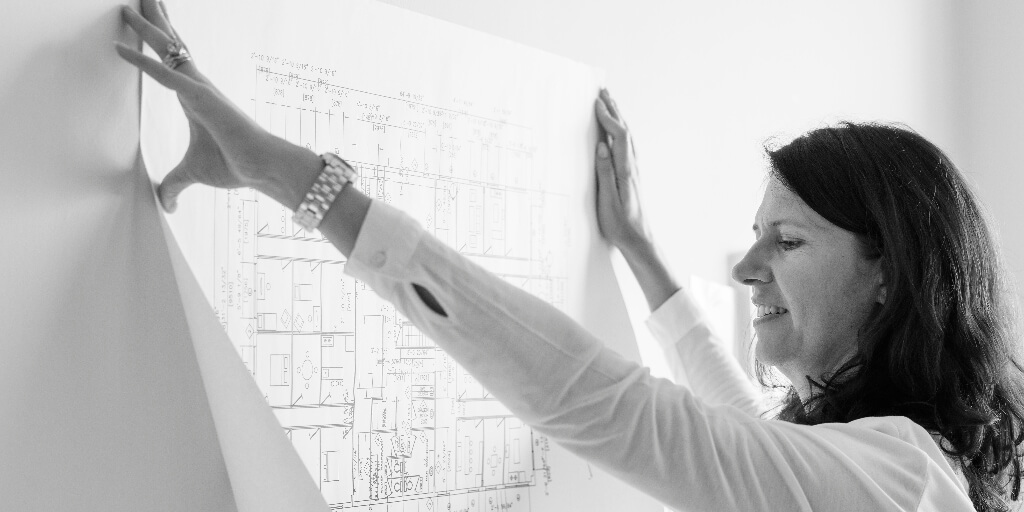
If you like your current house and you're attached to the neighborhood you live in, with friends in the area and kids doing well in the local schools, then you'll want to consider expanding your existing home. It's the most difficult choice, but it can be the most rewarding. You'll need to set aside a budget for design as well as construction. Work with an experienced residential designer or architect to figure out the best way to create the space you need within a budget that's comfortable for you.
You or your designer will be required to submit design drawings for planning approval and building permits, and that means the addition will need to meet building code and local planning requirements. That's why, for most people, an addition isn't a do-it-yourself project. However, if you've got an unfinished basement or attic, a sun porch, or even a well-constructed wood deck, then it might be relatively inexpensive to convert into year-around living space.
Planning is Key
Whichever option you choose, make sure you define your requirements in advance. How many bedrooms do you need? What are your priorities when it comes to budget, location, features, size and aesthetics? If you're building an addition, then what will you tell the designer? Do you already have ideas in mind for the location and how the new space and the existing space will be used?
Once you've discussed wants and needs with everyone in the family and settled on some basic requirements, it's time to start talking to real estate agents or architects; if your mind isn't made up yet, then arrange meetings with both. Moving or expanding your home is an exciting time, and it's important to keep the ball rolling. After all, deciding on a new house and building an addition can both be time-consuming, and you'll want to settle on a solution while you can still get many years of benefit out of it.